Why Abu Dhabi luxury buyers are looking beyond location
Buyers from more than 100 countries have invested in the sector, supported by the emirate’s economic growth, residency options and the expansion of areas where foreign nationals can own property.
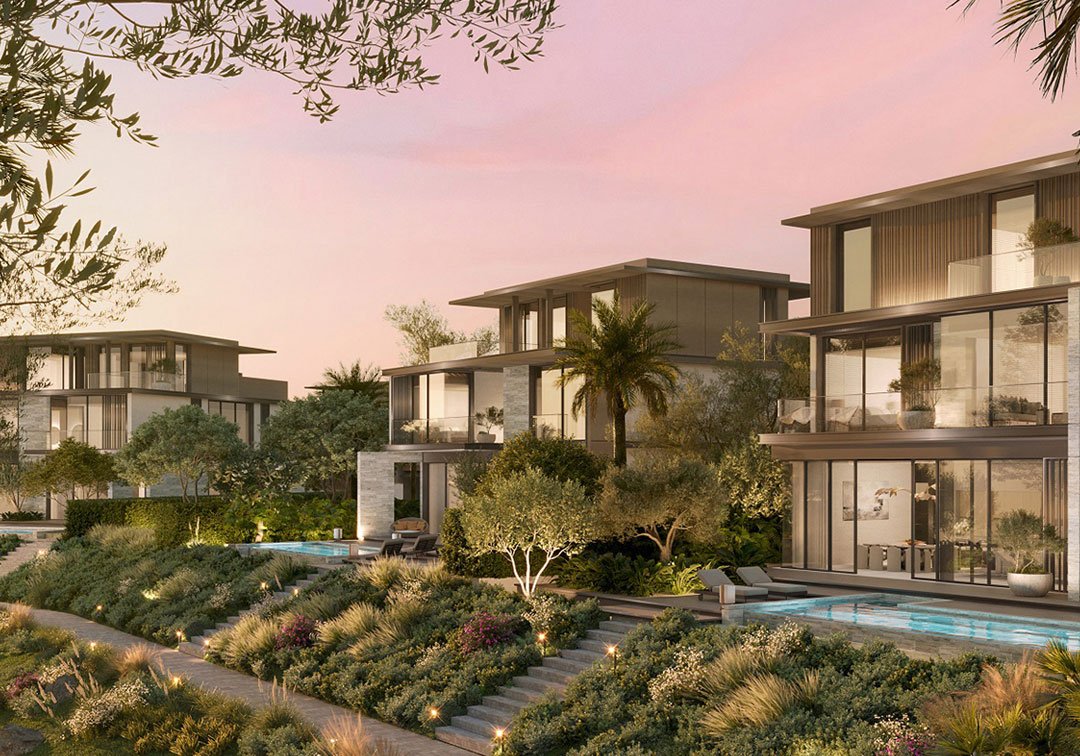
Abu Dhabi’s luxury residential market is becoming more selective as buyers place greater importance on design quality, delivery records and the wider lifestyle surrounding a development.
The shift comes as property activity in the capital continues to grow. Abu Dhabi recorded AED65.4 billion in real estate transactions year-to-date, including AED48.7 billion in sales and AED14.8 billion in mortgage activity.
Foreign direct investment in the sector reached AED8.2 billion with buyers from more than 100 countries participating in the market.
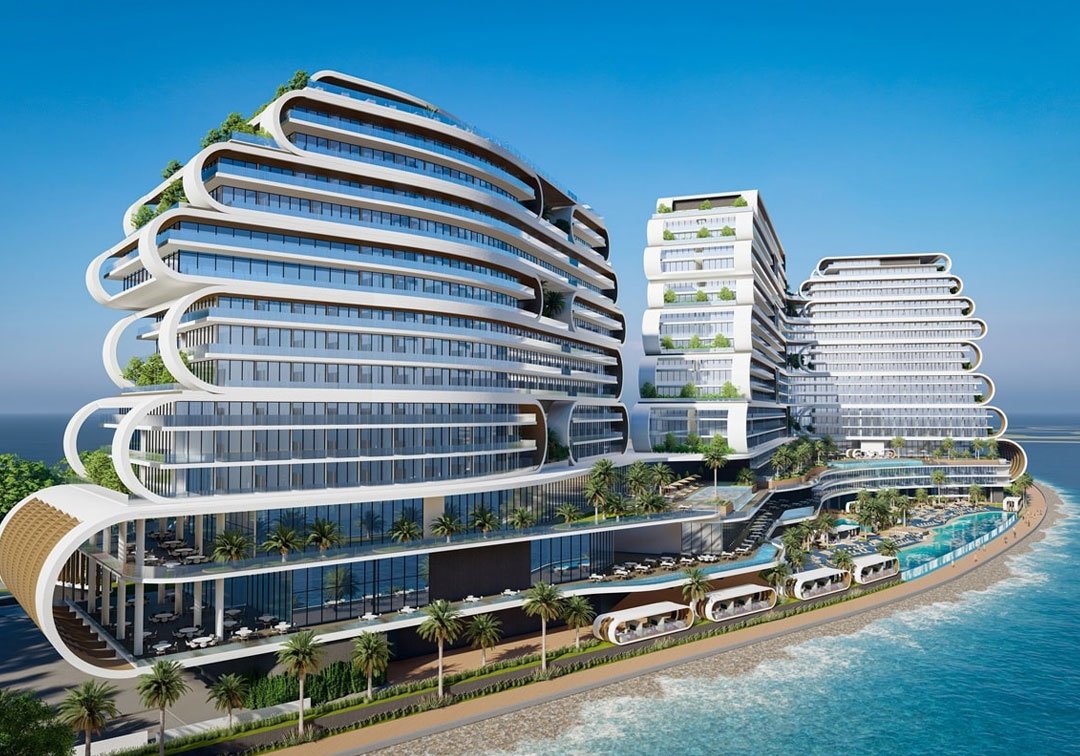
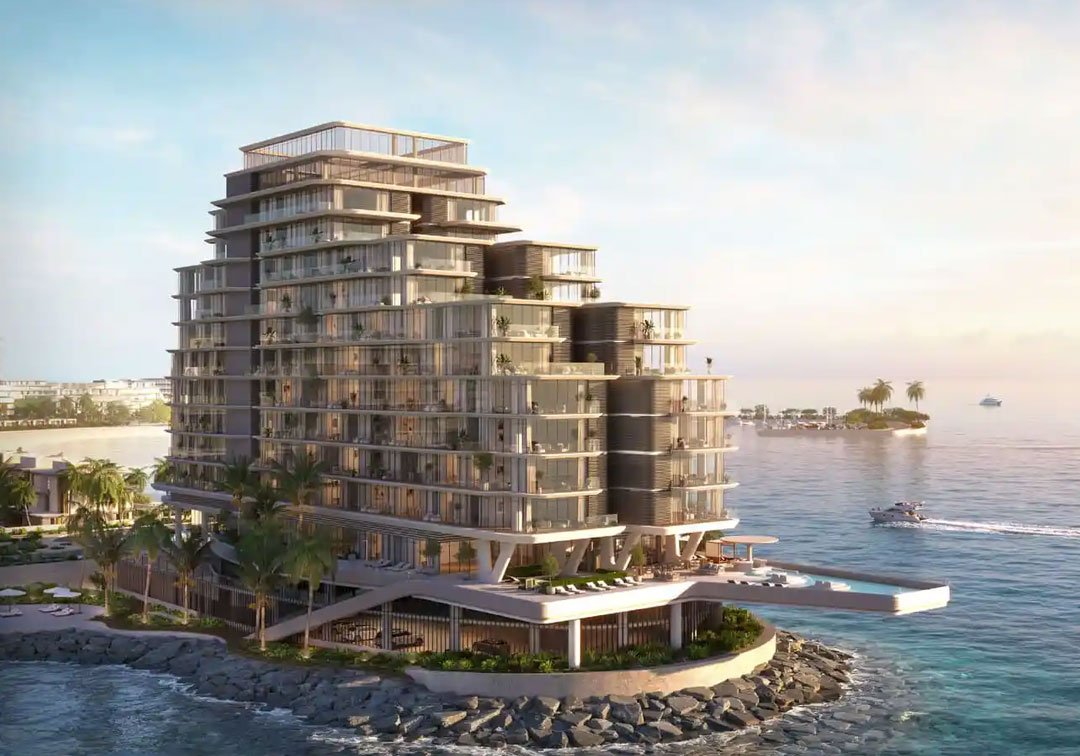
Demand remains strong across Abu Dhabi’s main residential destinations, particularly established waterfront communities where homes are supported by hospitality, retail, public spaces and leisure facilities, according to real estate developer MERED.
“Headline market growth tells only part of the story. Buyers are increasingly distinguishing between developments that command a premium because of genuine quality and those benefiting from broader market momentum,” said Michael Belton, CEO of MERED.
“Abu Dhabi’s luxury residential market has evolved significantly. Buyers are no longer evaluating developments solely on location, size or finishes. They’re evaluating the complete living experience and the credibility of the developer behind it. That’s a sign of a healthier, more mature market.”
The wider neighbourhood is playing a larger role in property decisions, particularly at the top end of the market.
Luxury buyers are increasingly considering access to waterfront areas, landscaped spaces, restaurants, wellness facilities, cultural attractions and walkable public areas alongside the size and design of the home.
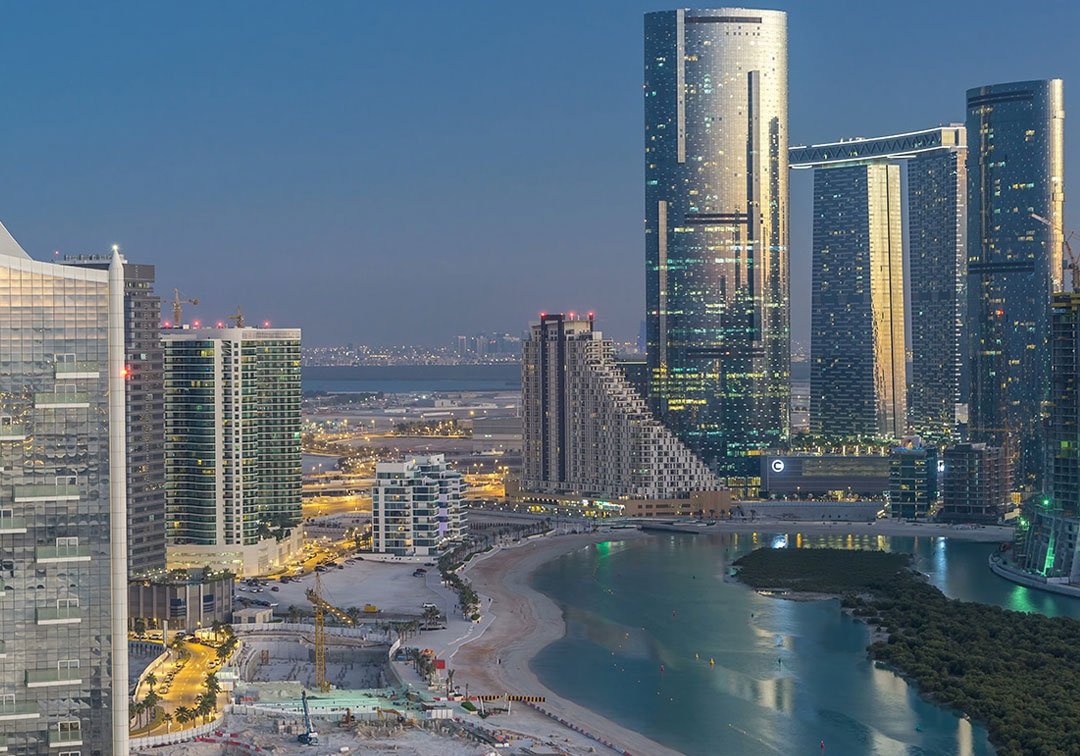
This has supported activity in destinations such as Al Reem Island and Yas Island while Saadiyat Island remains one of the capital’s main ultra-luxury residential markets.
Projects that operate as part of a wider neighbourhood may have a stronger appeal than standalone towers or compounds with limited surrounding services.
The trend also reflects a shift towards longer-term use, with more buyers assessing whether a development can support daily life rather than viewing the property only as an investment or second home.
“As expectations rise, developers have to think beyond creating impressive buildings and focus instead on creating places where people genuinely want to live for years to come,” Belton said.
Delivery records carry more weight
Off-plan property continues to account for a large share of residential sales in Abu Dhabi, although buyers are paying closer attention to whether developers can complete projects as promised.
About 65 per cent of residential sales continue to take place in the off-plan market, according to figures cited by MERED.
The level of activity shows that buyers remain willing to purchase homes before construction is complete, but confidence is increasingly linked to visible progress, delivery certainty and the developer’s past performance.
Construction updates, contractor appointments and completed stages can therefore influence purchasing decisions alongside launch prices and payment plans.
This is particularly important in the luxury segment, where buyers may be committing large sums several years before receiving the property.
As more projects compete for the same pool of wealthy local and international buyers, developers with a clear delivery record may find it easier to maintain pricing and sales momentum.
Design becomes part of long-term value
Architecture, interiors and landscaping are also becoming more important to buyers as Abu Dhabi attracts a wider international investor base.
These elements are increasingly being viewed as part of a property’s long-term value rather than decorative additions.
Distinctive architecture can help a project remain recognisable as more supply enters the market, while better layouts, public spaces and landscaping can influence how well a development functions after completion.
International buyers may also compare Abu Dhabi projects with premium developments in cities including Dubai, London, Singapore and Miami, raising expectations around design and construction quality.
International demand supports market growth
The AED8.2 billion recorded in foreign direct investment shows the growing international reach of Abu Dhabi’s property market.
Buyers from more than 100 countries have invested in the sector, supported by the emirate’s economic growth, residency options and the expansion of areas where foreign nationals can own property.
International demand has also encouraged developers to bring more globally recognised architects, designers and hospitality brands into residential projects.
However, the increase in activity is also creating greater competition.
Projects may no longer be able to rely only on a waterfront location, large unit sizes or premium finishes to stand out. Buyers are comparing the full offer, including the developer’s record, surrounding community and the likely quality of the completed home.
Belton said developers were under greater pressure to justify the premiums attached to luxury projects through design and delivery.
Credits & Disclaimer: This article are credited to the Associated Press, it's authors and editors. Likewise, the images are for illustration purposes only and credited all to their respective owners. The accuracy of the article is subject from the information grabbed from the sources at the time of posting this article.