
How Dubai is changing real estate investment through property tokenisation
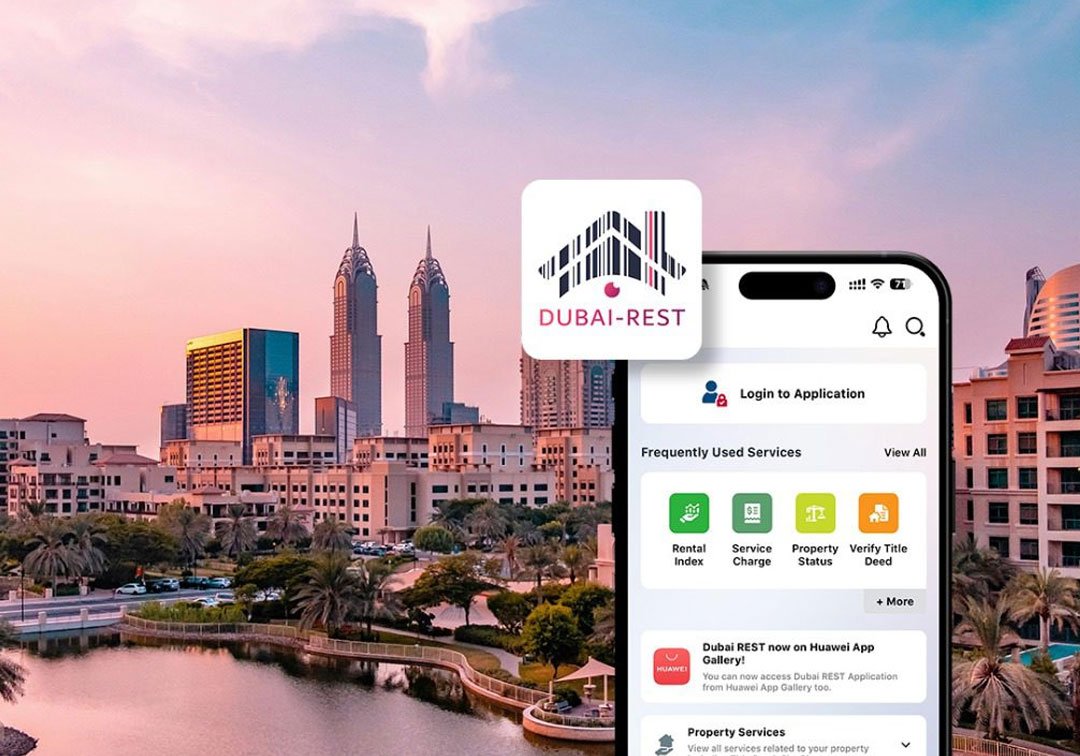
Dubai’s real estate tokenisation model is emerging as a global benchmark by linking digital ownership to the official property registry, says Arabian Gulf Properties.
Dubai’s approach to real estate tokenisation is emerging as a global benchmark by linking digital ownership shares directly to the official property registry, creating a regulated model that goes beyond simply dividing assets into blockchain-based tokens.
According to Badar Rashid Al Blooshi, Chairman of Arabian Gulf Properties, the emirate’s approach combines technology, legislation, official ownership records and investor protection within a single framework, helping position Dubai at the forefront of the rapidly evolving property tokenisation market.
His comments follow a recent analytical report that identified Dubai as a global leader in the transformation of real estate tokenisation, highlighting the emirate’s success in linking digital tokens directly to the official property ownership registry.
Real estate tokenisation in Dubai
Al Blooshi said Dubai’s model stands apart because tokenisation is integrated with legally recognised ownership rights rather than being used solely to divide a property into smaller digital shares.
He said: “The significance of Dubai’s model lies in the fact that it does not treat tokenisation merely as a means of dividing a property into small digital shares. Instead, it forms part of an integrated ecosystem that connects technology with documented and enforceable ownership rights within a clear regulatory framework. This is the fundamental element that builds trust and enables the model to scale sustainably.”
He added that Dubai has combined an advanced property registry, an agile legislative environment, robust digital infrastructure and close cooperation between regulators and technology stakeholders.
Al Blooshi said: “Dubai has successfully combined an advanced property registry, an agile legislative environment, robust digital infrastructure and close cooperation between regulatory and technology stakeholders.
“This integration places the emirate at the forefront globally, as the real challenge in property tokenisation is not creating a digital token, but ensuring that the token represents a clearly defined right in a genuine property asset that is officially registered.”
Tokenised property investment
According to Al Blooshi, wider adoption of fractional ownership could diversify the emirate’s investor base by allowing people to spread investments across multiple property assets instead of committing all of their capital to a single property.
He said the approach could also support greater market liquidity over the longer term while creating additional channels for financing real estate assets.
Al Blooshi said: “Supporting the Dubai Real Estate Strategy 2033 and the Dubai Economic Agenda, D33, Tokenisation opens the market to a new generation of investors who are accustomed to using digital platforms and are seeking flexible and transparent investment instruments.”
Al Blooshi said the city’s experience demonstrates how technology can be combined with regulation and investor protection to create a scalable model for real estate investment.
He said: “Dubai is presenting a model from which global markets can benefit by advancing technology alongside legislation, official registries and investor protection. This approach strengthens the competitiveness of Dubai’s real estate market, enhances its ability to attract broader pools of capital and reinforces the emirate’s position as a global testing ground for more efficient, transparent and inclusive property solutions.”
Credits & Disclaimer: This article are credited to the Associated Press, it's authors and editors. Likewise, the images are for illustration purposes only and credited all to their respective owners. The accuracy of the article is subject from the information grabbed from the sources at the time of posting this article.