Dubai property market: 8 figures that explain why real estate remains one of the world’s strongest in 2026
Dubai’s property market recorded AED286.4bn ($78bn) in sales and AED421bn ($114.6bn) in transactions as demand and investment remained strong.
Dubai’s property market recorded AED286.4bn ($78bn) in sales and AED421bn ($114.6bn) in transactions as demand and investment remained strong
Dubai’s real estate market continued to reinforce its position as one of the world’s strongest property markets during 2026, supported by robust transaction activity, sustained investment demand, strong rental returns and continued inflows of international capital.
A new analysis by W Capital Real Estate Brokerage argues that the market’s strength should be measured by more than price growth alone, pointing instead to eight key indicators ranging from transaction values and luxury home sales to rental yields, digital innovation and long-term economic fundamentals.
1. $78bn in property sales
Dubai recorded approximately AED286.4bn ($78bn) in property sales during the first half of 2026, representing the second-highest half-year sales total in the market’s history.
According to W Capital, the performance demonstrates continued investment activity despite the exceptionally strong comparison base established in previous years.
Walid Al Zarooni, Chairman of W Capital Real Estate Brokerage, said genuine demand remains the market’s primary driver, with Dubai increasingly attracting long-term investors rather than speculative buyers.
2. Around 86,000 property sales
The market recorded approximately 86,000 property sales transactions during the first six months of the year.
According to the study, the breadth of buyer activity, from investors and end users to entrepreneurs and business owners, illustrates the depth of demand and contributes to greater market stability.
3. $114.6bn in total transactions
Total real estate transactions, including sales, mortgages and property gifts, reached approximately AED421bn ($114.6bn).
W Capital said the figure reflects high levels of market liquidity and continued confidence in Dubai’s property sector.
4. Nearly 300 luxury home sales above $10m
Dubai recorded 296 residential property transactions valued at more than $10m during the first half of 2026.
According to the study, the performance reinforces Dubai’s position among the world’s leading luxury residential markets alongside cities including London, New York and Singapore.
5. Rental yields reaching 9 per cent
Rental returns in selected Dubai communities reached as high as 9 per cent, according to the report.
W Capital said these returns continue to provide investors with an attractive combination of recurring rental income and long-term capital appreciation.
6. More than 59 developers and 30 banks on Tamlak+
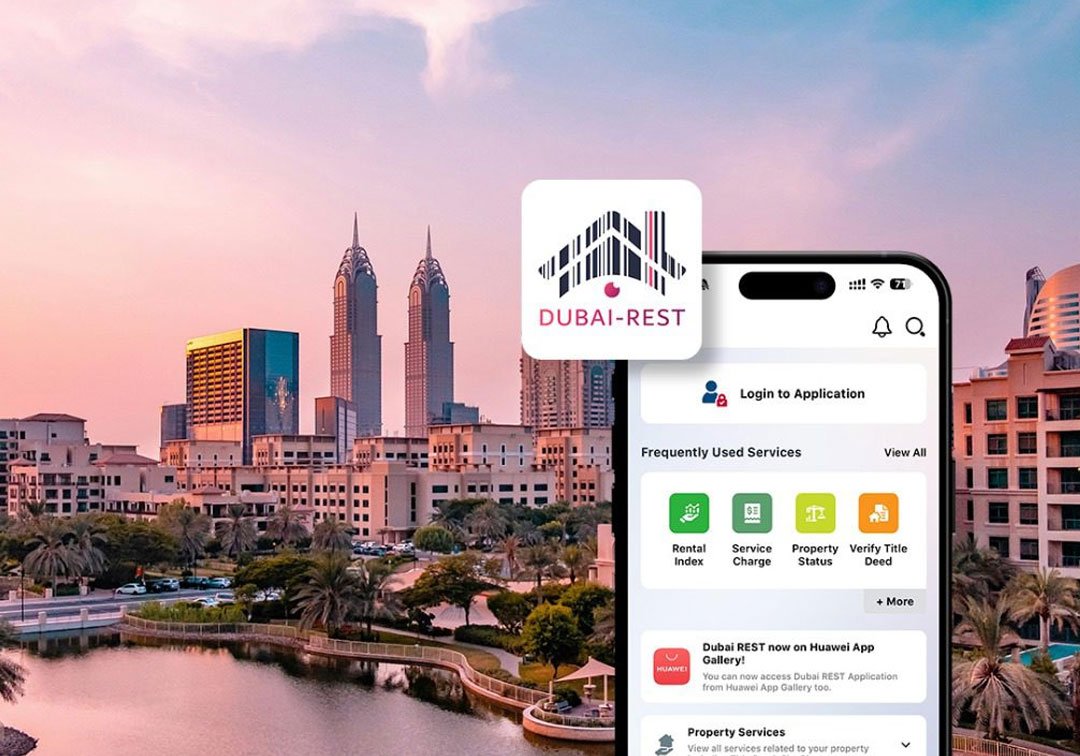
The report highlighted the Tamlak+ initiative as an important milestone in Dubai’s property market.
The platform brings together more than 59 developers and 30 banks, allowing property ownership and registration procedures to be completed within minutes through an integrated digital platform.
According to W Capital, digital transformation has become one of Dubai’s strongest competitive advantages in the global real estate market.
7. Around 59,000 new homes expected in Dubai
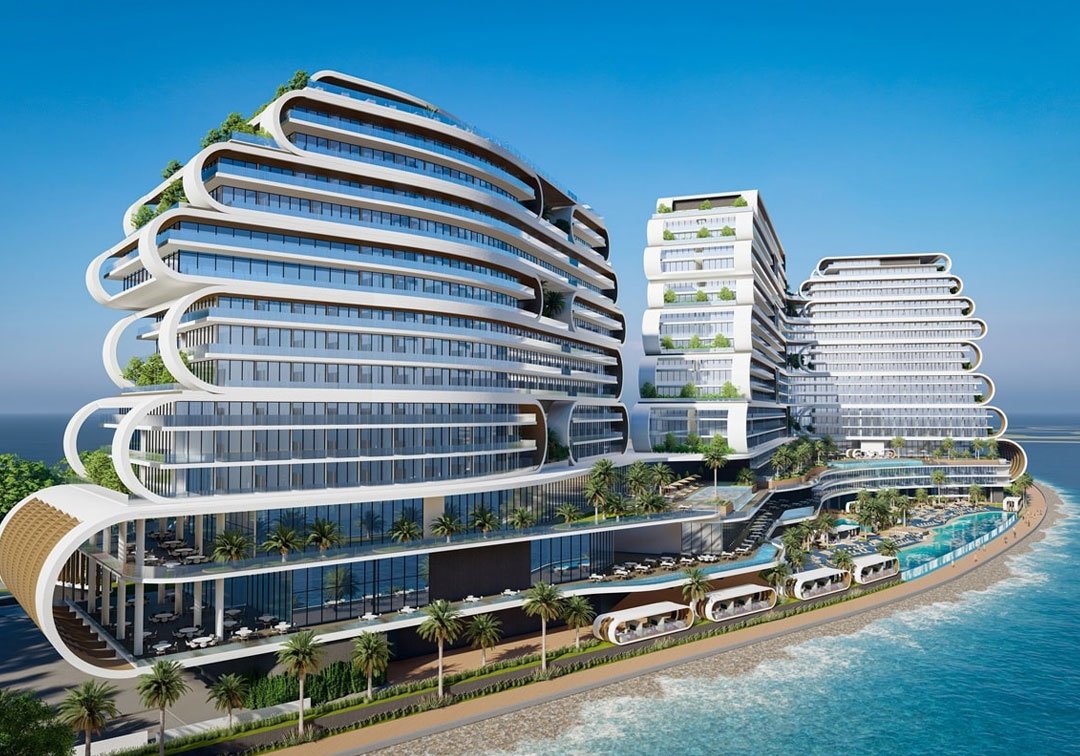
Approximately 59,000 new residential units are expected to enter the Dubai and Abu Dhabi markets during the remainder of 2026.
Despite the increase in supply, W Capital believes the additional homes will broaden buyer choice without disrupting overall market balance, supported by continued population growth and business expansion.
The report said developments offering prime locations, integrated amenities, competitive payment plans and established developers are expected to remain the most attractive to buyers.
8. Population growth continues to support demand
The study identified continued population growth, business expansion and the attraction of international talent as key long-term drivers of demand across residential, office and commercial property.
According to W Capital, these trends indicate that Dubai’s property market is being supported by underlying economic fundamentals rather than short-term speculative activity.
Dubai real estate analysis
Walid Al Zarooni said: “The figures now reflect a more mature and sustainable market. The strength of Dubai’s real estate sector is no longer measured by how quickly prices rise, but by its ability to maintain strong liquidity and genuine demand, attract investors from around the world and provide a regulatory environment capable of supporting long-term growth.”
He added that the market has moved from a period of rapid expansion towards a more balanced phase, supported by economic diversification, continued inflows of international companies and skilled professionals, and growing demand from both homeowners and long-term investors.
Al Zarooni said: “An investor buying property in Dubai today is not simply purchasing a unit. They are investing in a diversified economy, world-class infrastructure, advanced legislation, a stable business environment and a lifestyle that continues to attract international talent and capital.
“These fundamentals give Dubai’s real estate market the strength and flexibility required to sustain long-term growth and further reinforce its position among the world’s leading property markets in the years ahead.”
Credits & Disclaimer: This article are credited to the Associated Press, it's authors and editors. Likewise, the images are for illustration purposes only and credited all to their respective owners. The accuracy of the article is subject from the information grabbed from the sources at the time of posting this article.