Burj Azizi: Dubai’s next skyscraper giant could be overtaken before it opens
Jeddah Tower, Saudi Arabia’s landmark mega-tall mixed-use tower, has achieved a major construction milestone reaching level 120 (approximately 482m) on its journey to become the tallest building in the world.
Dubai’s 725-metre skyscraper is targeting completion in 2030, but Saudi Arabia’s one-kilometre-high Jeddah Tower threatens to push it into third place.
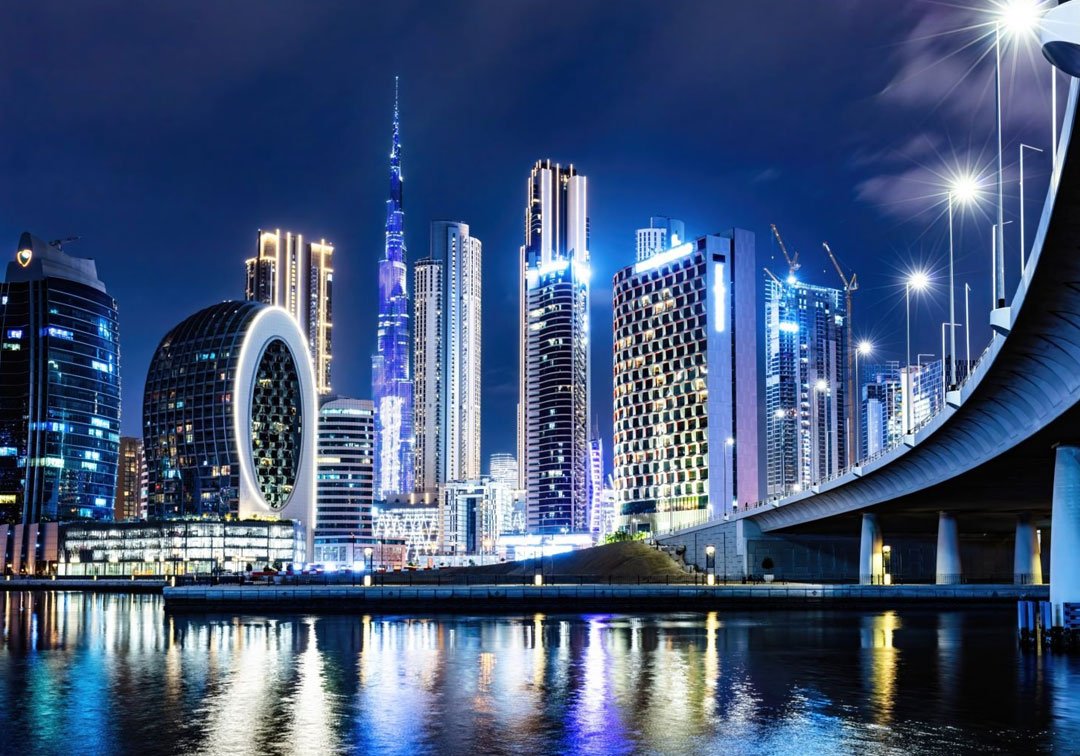
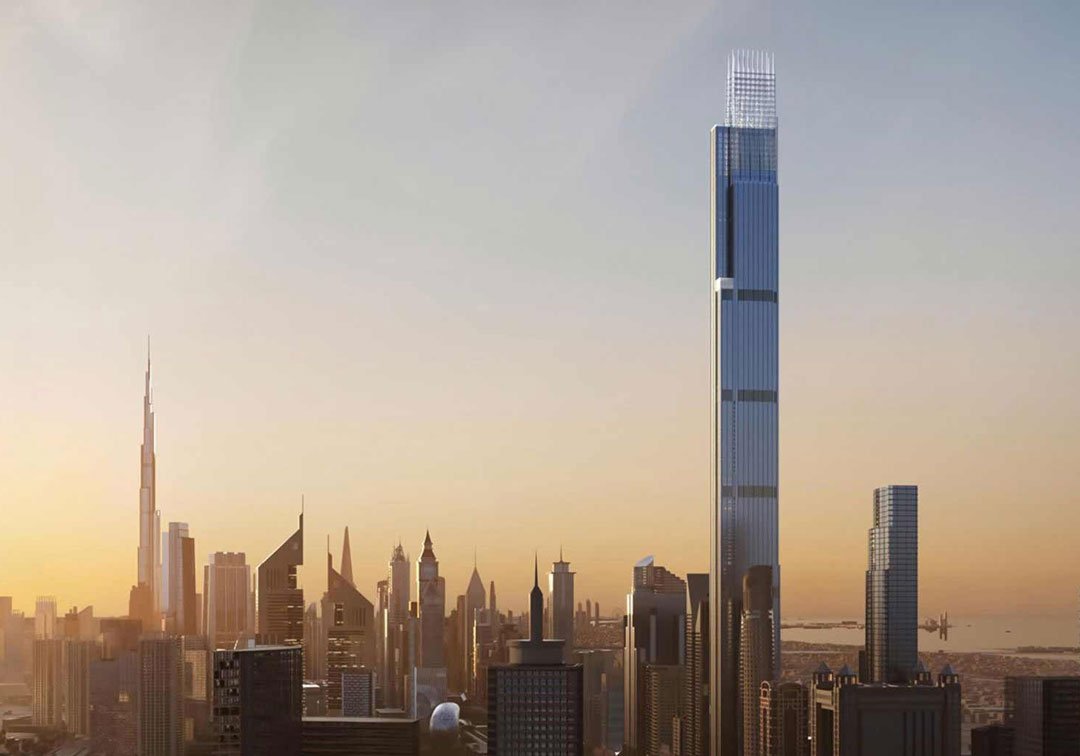
Dubai’s Burj Azizi is facing a race against time to claim the title of the world’s second-tallest building, with developers confirming the 725-metre skyscraper remains on track for completion in 2030 – potentially putting it in direct competition with Saudi Arabia’s long-awaited Jeddah Tower.
The ambitious project, rising along Sheikh Zayed Road, is being marketed as the world’s second-tallest tower, behind Dubai’s 828-metre Burj Khalifa.
However, that ranking could prove short-lived if construction of Jeddah Tower, which is designed to exceed 1,000 metres, is completed first.
Azizi Developments acknowledged that the skyscraper’s eventual position in the global rankings would depend on the progress of rival projects.
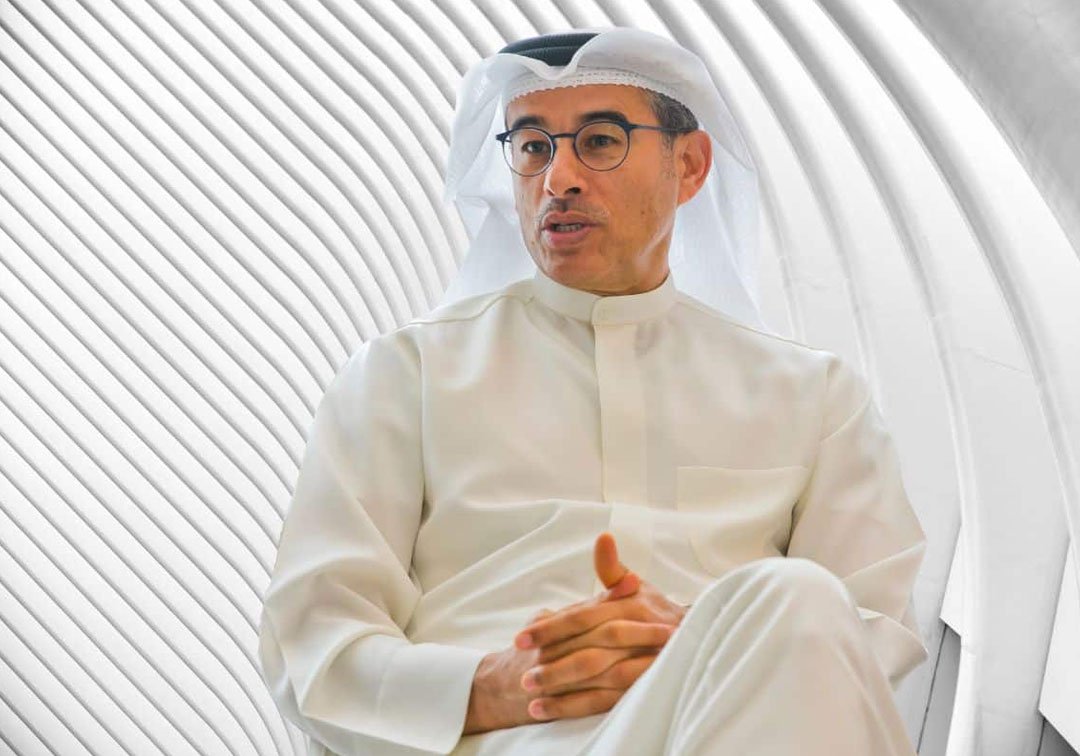
“At 725 metres, Burj Azizi is planned to become the world’s second-tallest building based on the current ranking of completed towers,” a spokesperson told Arabian Business.
“We recognise that other major skyscrapers, including Jeddah Tower, are under development and rankings may change depending on their eventual completion.”
The company added that its priority was delivering a landmark building rather than securing a particular position in the record books.
“Regardless of the ranking, our focus remains on delivering an architectural landmark that will make a lasting contribution to Dubai’s skyline.”
Burj Azizi targets 2030 completion
The developer confirmed that its ambitious construction timetable remains unchanged, with completion scheduled for the end of the decade.
“Burj Azizi is progressing towards its planned completion in 2030. We will share further updates on construction milestones as the project advances,” the spokesperson said.
The race highlights the intensifying competition between Dubai and Saudi Arabia to create some of the world’s most recognisable architectural landmarks.
Jeddah Tower, whose construction resumed after years of delays, is intended to become the world’s first kilometre-high skyscraper, overtaking Burj Khalifa by more than 170 metres.
Its eventual completion would leave Burj Azizi in third place globally, assuming no other taller towers are completed in the meantime.
Jeddah Tower targets earlier finish
The challenge for Azizi is that its Saudi rival is currently targeting completion in late 2028, approximately two years ahead of Burj Azizi.
According to recent reports, Jeddah Tower had reached its 116th floor by September 2026, standing approximately 466 metres tall after construction accelerated during the year.
If both projects meet their existing deadlines, Burj Azizi could find itself ranked third before it even opens.
Nevertheless, Azizi says demand for the Dubai development remains encouraging.
“We have seen encouraging interest in Burj Azizi from both local and international buyers,” the spokesperson said.
“The tower’s location on Sheikh Zayed Road, its distinctive offering and its landmark status continue to attract interest.”
The developer also confirmed that the tower’s original vision remains intact, combining luxury residences, hospitality, retail, dining and entertainment.
A recently announced partnership with Finnish engineering company KONE will see the installation of 59 elevators and 15 escalators, including technology capable of making a continuous elevator journey of approximately 631.5 metres.
For Dubai, the project represents another statement of architectural ambition. But with Jeddah Tower climbing rapidly towards the kilometre mark, the question is whether Burj Azizi’s claim to second place will survive until its scheduled opening in 2030.
Credits & Disclaimer: This article are credited to the Associated Press, it's authors and editors. Likewise, the images are for illustration purposes only and credited all to their respective owners. The accuracy of the article is subject from the information grabbed from the sources at the time of posting this article.