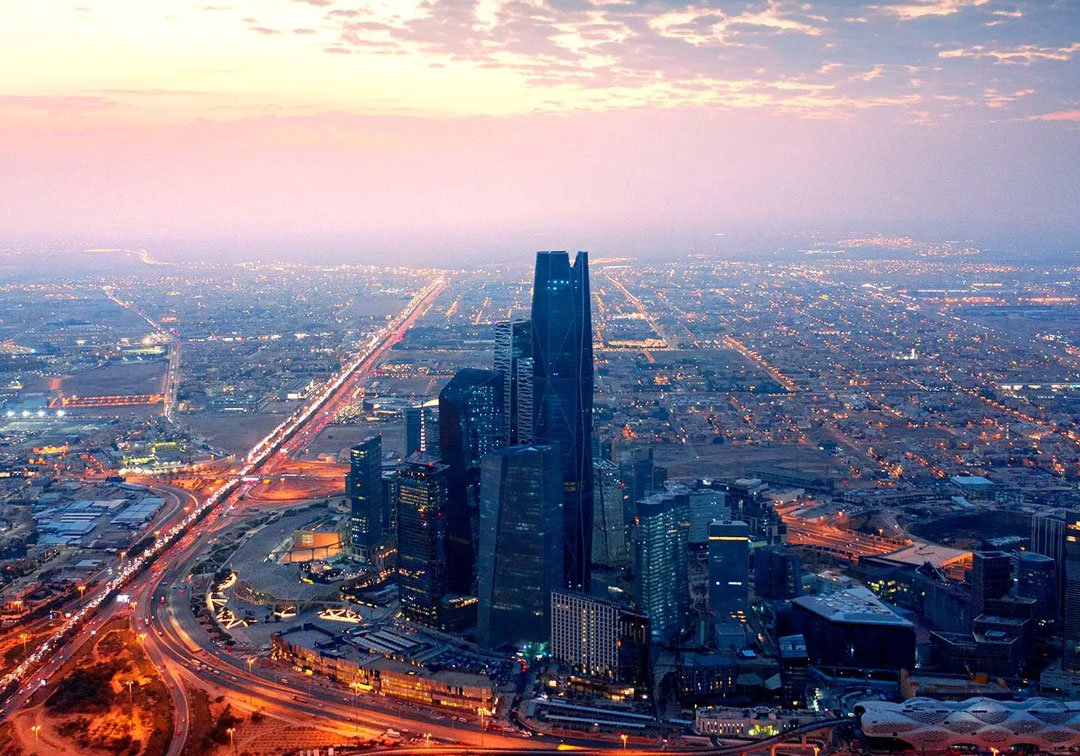
Saudi Arabia eyes real estate boom with new foreign property ownership zones
Ziad El Chaar says developers are set to make a major international push into the Kingdom’s real estate market.
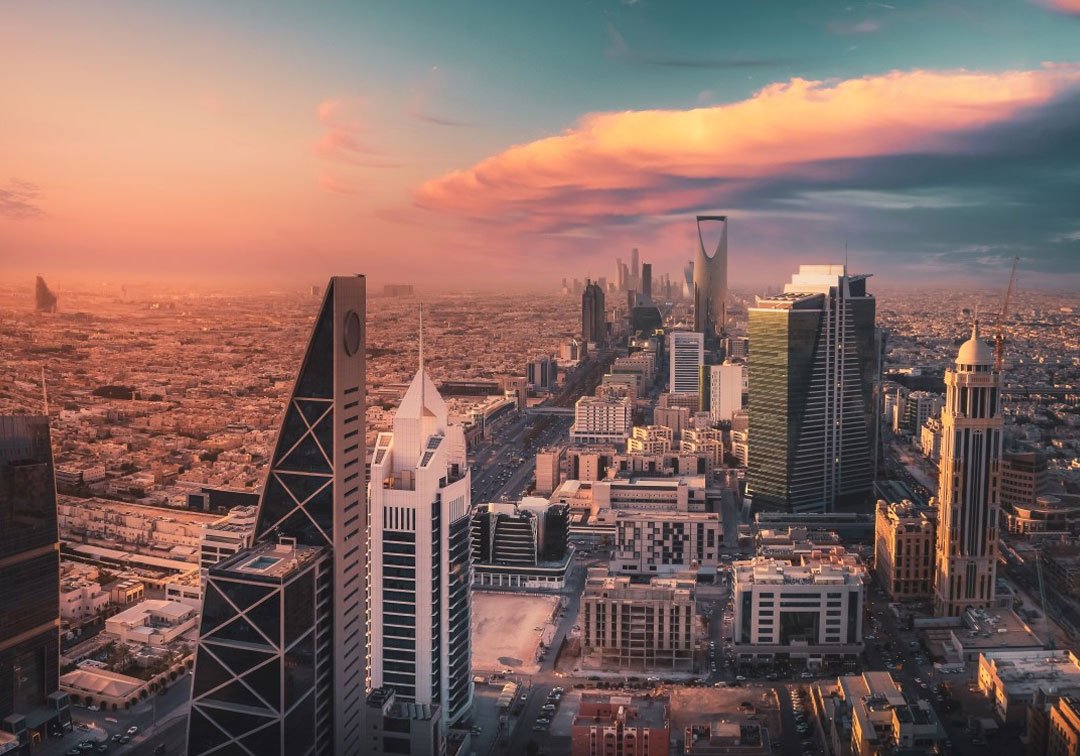
Saudi Arabia is expected to announce the designated areas where foreigners will be allowed to own property this summer, in a move that could unlock the next phase of international demand for the Kingdom’s real estate market.
A law allowing foreign non-resident ownership came into effect earlier this year but the market is still waiting on the geographical zones where international buyers can invest.
These locations are set to be revealed in the coming months as Ziad El Chaar, Dar Global chief executive, exclusively revealed to Arabian Business.
“We are still waiting for a small part of the law which has not been issued yet, which is the designated areas for foreign ownership,” he said, explaining that the Cabinet of Ministers is expected to provide clarity “during the summer”.
He added that Dar Global has deliberately held back from a major international sales push until the areas are confirmed.
“We have not yet engaged aggressively with international buyers because everybody would like to have the comfort that this is actually the area where we expect international demand to be allowed,” he said.
Opening up to new markets
The comments point to a crucial waiting period for Saudi Arabia’s property market. The Kingdom has already made one of its most significant real estate reforms by opening ownership to non-Saudis under a regulated framework, but the full commercial impact is likely to depend on where foreign buyers are allowed to enter the market.
For developers, investors and wealthy buyers, the announcement of designated zones could become the real starting gun.
El Chaar said Dar Global expects to move quickly once the rules are clear.
“Once we have the area clarity, we will push very hard on this because we believe that Saudi is the giant that will take a very good chunk of the international demand for the GCC,” he said.
Saudi Arabia’s move comes as the Gulf’s luxury real estate market continues to attract international capital, second-home buyers and long-term residents seeking exposure to the region’s growth. Dubai has already become one of the world’s most active luxury property markets, but El Chaar said Saudi Arabia has an advantage that makes it fundamentally different from other GCC markets: deep local demand.
A unique advantage
He said the Saudi real estate market has annual throughput of about SAR600bn, supported by domestic buyers, government housing targets and long-term population growth.
“When an international investor sees such a strong internal demand, and the international demand coming on top of that, it is like investing with an airbag,” El Chaar said.
For him, that domestic base gives Saudi Arabia a level of resilience that international investors often underestimate. Unlike smaller property markets that rely heavily on foreign capital, Saudi Arabia already has a large internal buyer pool. Foreign ownership, he argued, adds another layer of demand rather than becoming the foundation of the market.
“Among the GCC countries, the main country that has organic demand is Saudi Arabia,” he said.
The Kingdom has also been careful not to open the market too quickly, El Chaar said.
He argued that Saudi Arabia is trying to avoid the housing affordability problems seen in parts of Europe, where foreign capital, second-home demand and golden visa programmes have helped drive up prices and triggered political backlash.
“When you have such a very strong local market, you want to be careful you don’t end up with a situation like Spain, or Portugal, or Greece, where the international demand took away the housing very much needed by the local population,” he said.
That caution could prove important as Saudi Arabia seeks to balance two ambitions: attracting international investors while protecting housing access for citizens.
A careful approach
El Chaar said the Saudi model appears to be more structured than earlier foreign-buyer schemes in other markets, with systems being built around digital identity, title deeds, mortgages and residency pathways.
“Most of what is happening in Saudi with international demand is very well designed,” he said.
The geopolitical backdrop has added another layer of complexity. Regional tensions have raised questions over whether international buyers will delay decisions, particularly those less familiar with the Middle East. El Chaar said the impact will vary sharply by buyer group.
“The first investors in the Gulf and in Saudi will come from the neighbouring areas,” he said. “These people understand all the conflicts of the region. They lived through some of these conflicts.”
He said buyers from India, Pakistan, Bangladesh, Arab countries and neighbouring markets are likely to be less deterred by regional instability because they understand the market and the region better.
By contrast, buyers from Australia, China, Europe and the US may take longer to commit.
“It will affect investors coming from Australia, or China, or Europe, or the US because those people, they don’t know the region well, and they will wait a little bit to engage,” he said.
Despite that, Dar Global is already seeing signs of international appetite for Saudi property. El Chaar said the company had tested demand among existing customers even before full clarity on the foreign ownership zones, offering Saudi projects on the understanding that buyers could be moved to another project if needed.
“Thirty nationalities bought from us in Saudi,” he said.
High demand already
That demand is significant because it suggests international buyers are already willing to bet on the Kingdom’s direction of travel, even before the full framework is finalised.
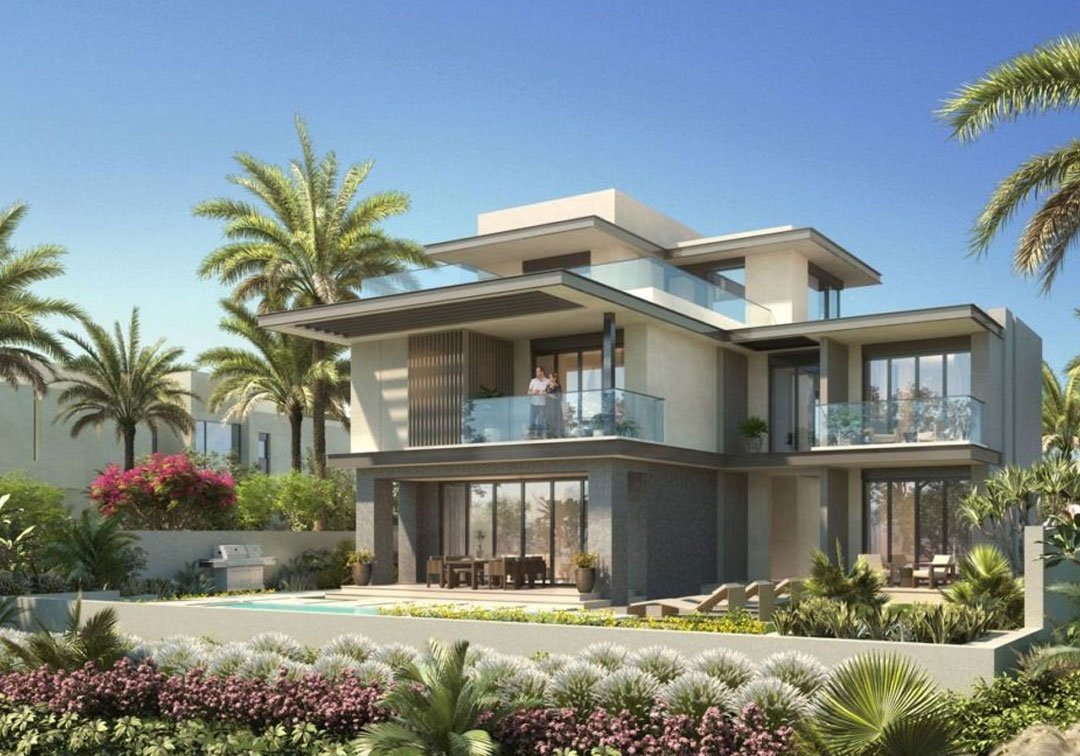
Dar Global is now looking to deepen its Saudi presence. The company currently has an ultra-luxury Riyadh project that El Chaar described as “a playground for the wealthy”, with around 600 units across three million square metres and homes starting from 15,000 sq ft. He said nothing in that project is priced below SAR25 million.
But El Chaar said Dar Global wants a second Saudi project with a broader price point.
“We are focusing very heavily now to secure one more project in Saudi,” he said. “We believe having only one project in Riyadh is not enough.”
The next project, he said, would ideally be another master community in Riyadh, with units priced closer to SAR4 million to SAR5 million. That would allow Dar Global to move beyond the very top end of the market and target a wider group of affluent buyers.
The timing could be significant. Once Saudi Arabia announces the designated foreign ownership zones, developers with land, brand recognition and international buyer networks are expected to move quickly.
For El Chaar, the opportunity is not simply that foreigners will be allowed to buy. It is that Saudi Arabia is opening at a moment when the Gulf is drawing more global residents, more wealth and more long-term capital.
“The interest will be there,” he said.