
Qatar unveils major villa rules overhaul with higher building limits and new family suites
Qatar has updated villa and mansion building rules, allowing higher structures, internal family suites, reduced setbacks and more flexible designs
Qatar has introduced a major update to residential villa and mansion regulations, allowing taller buildings, new internal family suites and more flexible construction options as part of efforts to better meet the needs of modern Qatari families.
The revised planning and architectural requirements, announced by the Ministry of Municipality, include more than 20 updated standards designed to improve land utilisation, support family stability and provide greater flexibility in residential design while preserving neighbourhood identity and urban quality.
The changes apply to existing properties, developments under construction and projects still at the licensing stage.
Undersecretary of the Ministry of Municipality, Eng. Ali bin Mohammed Al Ali, said the changes were introduced in response to evolving family needs and wider social and urban transformations across Qatar.
He said the updates were developed following extensive studies, periodic reviews of the comprehensive master plan approved in 2018 and feedback from citizens, engineering consultancy offices and relevant authorities.
Qatar villa regulations
According to the Ministry, the objective is to align housing regulations with modern construction practices while supporting the goals of Qatar National Vision 2030 (QNV 2030).
One of the most significant changes allows homeowners to establish an independent internal suite within a villa for a family member.
According to Eng. Al Ali, the measure is designed to strengthen family cohesion while allowing members of an extended family to live within the same property with greater privacy and independence.
The provision is also intended to provide practical housing solutions for children and elderly family members while maintaining a unified family environment.
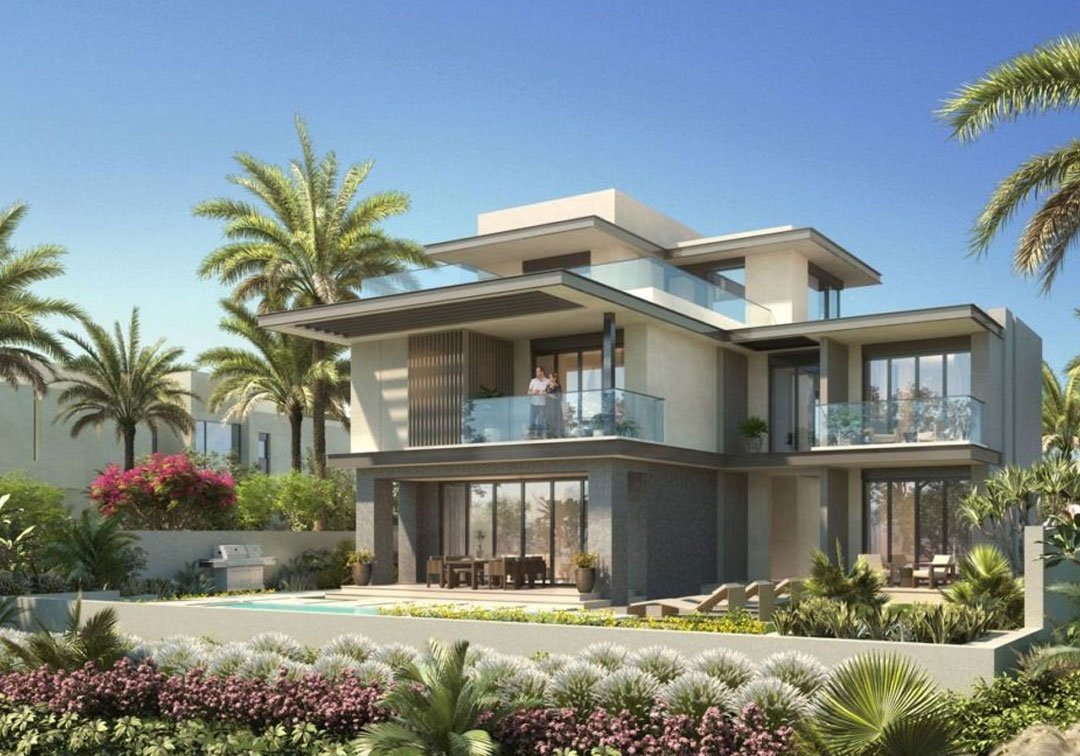
The updated regulations raise the permitted height of residential villas to 16m.
Qatar increases villa height limits
For the first time, homeowners will also be allowed to include an internal mezzanine floor with a coverage ratio of 35 per cent.
Additional changes include:
- Expansion of ground floors without setbacks on neighbouring or rear sides
- Expansion above accessory buildings
- Expansion above detached Majlis structures
- Greater flexibility in internal layouts
The regulations permit:
- A mezzanine floor
- Coverage ratios of up to 80 per cent
Mansion regulations updated
The revised standards include new height allowances for mansions.
According to the Ministry:
- Mansions without domes or architectural elements may reach between 17 and 22m
- Mansions incorporating domes or architectural features may reach between 20 and 25m, depending on plot size
The reforms also include a series of changes to setbacks and plot utilisation requirements.
Key updates include:
- Side and rear setbacks reduced to 1.5m where no windows are installed
- Windows permitted within those setbacks if positioned at a height of at least 1.8m
- Villa boundary wall heights increased to 3.4m
Additional plot flexibility
The updated rules also provide homeowners with greater flexibility when using available plot space.
Among the new provisions:
- A 2m front projection is permitted for first-floor and roof-level structures
- Front setback requirements for 50 per cent of roof-floor façade length may be reduced to zero metres
The Ministry confirmed that the benefits of the revised standards are available to:
- Completed properties
- Properties under development
- Projects currently in the licensing stage
Applications will be assessed in accordance with approved planning regulations and procedures before permits are issued.
Ministry: Changes support sustainable development
Eng. Al Ali said the reforms were developed following a comprehensive review of existing regulations and challenges encountered during implementation of previous requirements.
He said the changes are intended to provide practical solutions that reflect the needs of Qatari families while supporting more efficient construction and development processes.
The Ministry expects the reforms to contribute to a more flexible and sustainable urban environment while improving housing options, supporting family stability and advancing the objectives of Qatar National Vision 2030.