Dubai property market running at two speeds as luxury homes outperform
Luxury waterfront homes and trophy assets in Dubai continue attracting wealthy international buyers while parts of the wider residential market are seeing price pressure
Dubai’s property market is no longer moving as a single entity, according to brokers who say the emirate is entering a more mature phase where prime assets continue to attract demand while the wider market faces growing pressure.
The shift comes as thousands of brokers leave the industry following a post-pandemic boom that transformed Dubai into one of the world’s hottest real estate markets.
But beneath the headline figures, industry professionals say buyer behaviour has changed dramatically over the past year.
“We have seen a shift in behaviour more than a disappearance of demand,” said Joanna Truffaut, founder and CEO of Bond Properties Global, a boutique luxury brokerage focused on prime residential assets in Dubai and Abu Dhabi.
“Buyers are still active, especially in the prime segment, but far more disciplined than 12 to 18 months ago. Transactions take longer. Negotiations are sharper. Clients are conducting deeper due diligence before committing.”
The comments reflect a growing divide emerging within Dubai’s property sector as luxury waterfront homes and trophy assets continue attracting wealthy international buyers while parts of the wider residential market begin seeing price pressure.
According to Bond Properties Global, some secondary-market deals are now closing 10 to 15 per cent below asking prices despite relatively stable headline market indices.
Two-speed property market
Industry insiders say the trend marks a major evolution for Dubai’s real estate market, which has historically been viewed through a single boom-and-bust lens.
“Dubai is also no longer one uniform market,” Truffaut said. “Prime assets and more speculative inventory are behaving very differently and that gap is widening.”
Strategic advisor to ultra-high-net-worth investors and family offices Nataliya Khudykovska believes the market is undergoing a healthy transition from a speculative cycle towards a more strategic one.
“The fact that investors are acting differently and require more analysis, more reassurance, more information and more strategy is not connected only to geopolitical events,” she said.
“Sophisticated investors understand pricing dynamics far more deeply than before and are increasingly focused on real value rather than momentum.”
Khudykovska argues that many buyers are becoming more selective as they assess developer incentives, commission structures and discounts that can materially affect underlying valuations.
As a result, investors are increasingly seeking bulk purchases, entire floors or multiple units to negotiate pricing closer to what they perceive as intrinsic value.
The trend is less evident at the very top of the market.
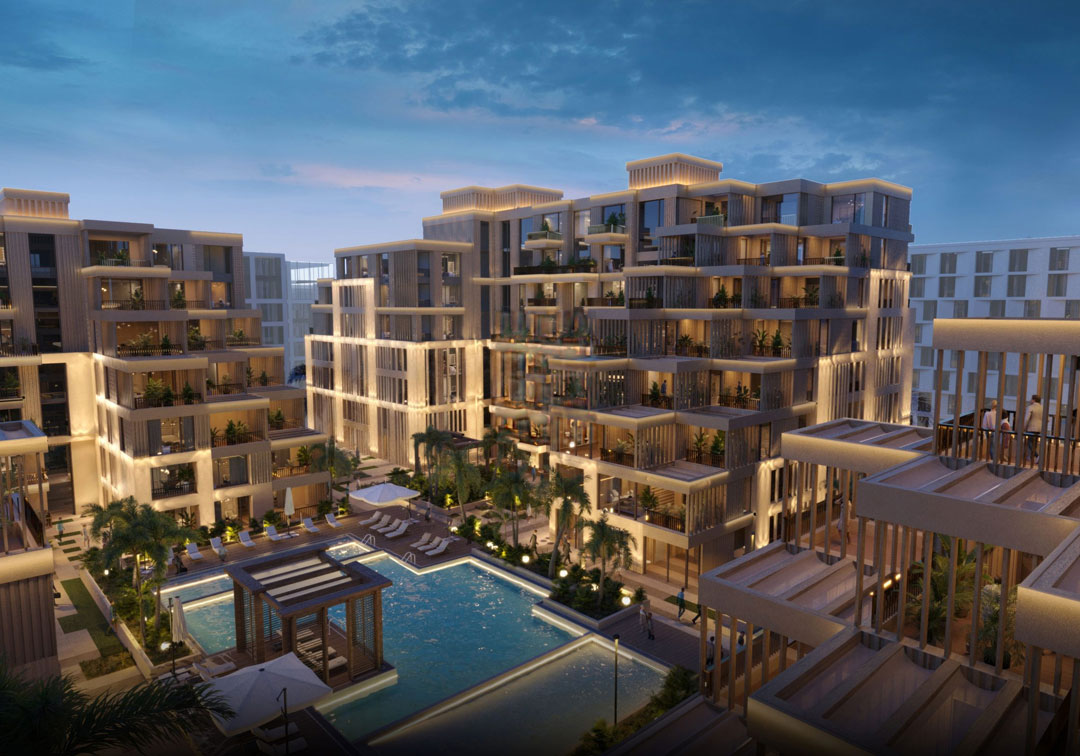
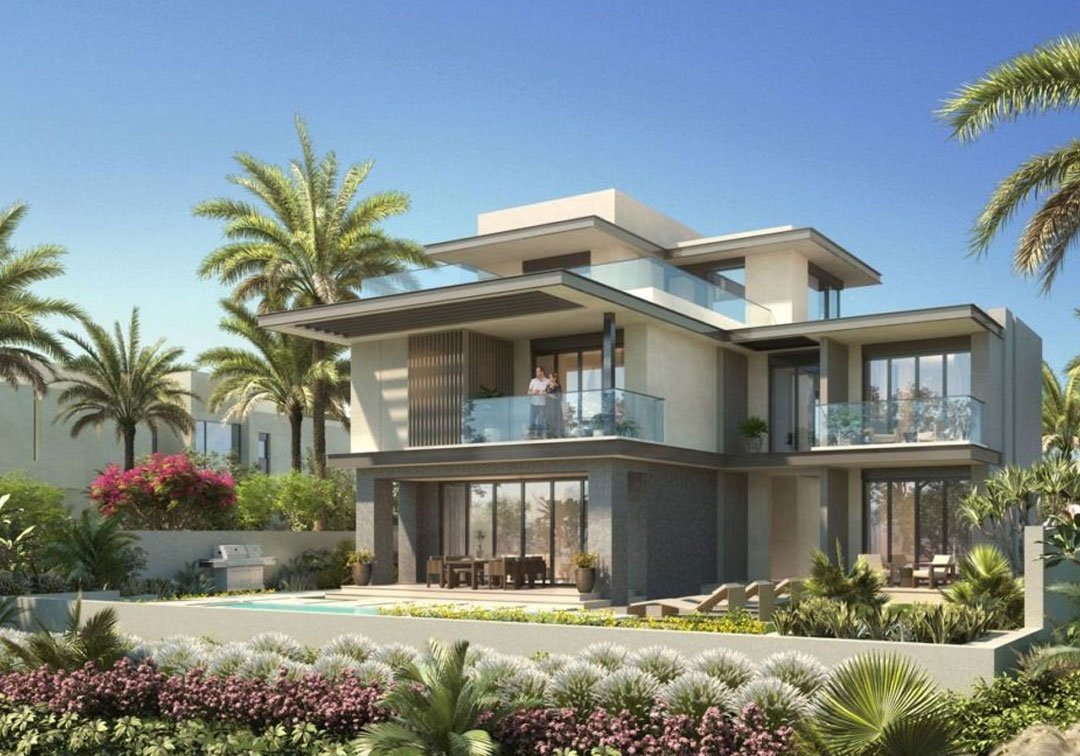
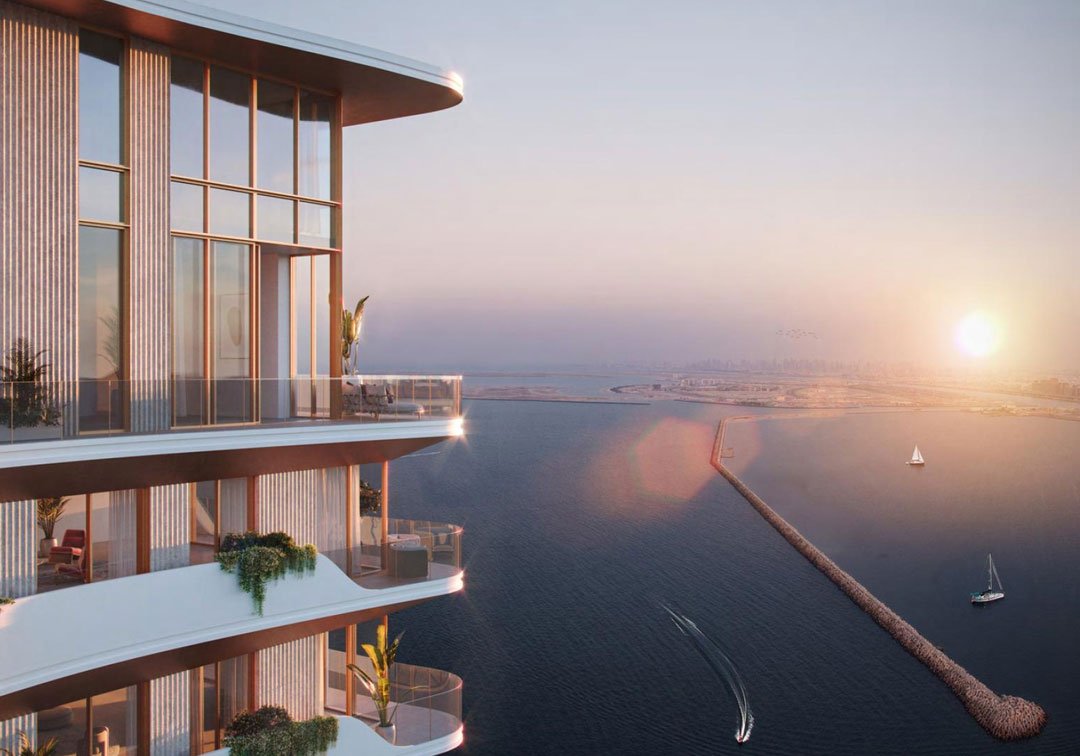
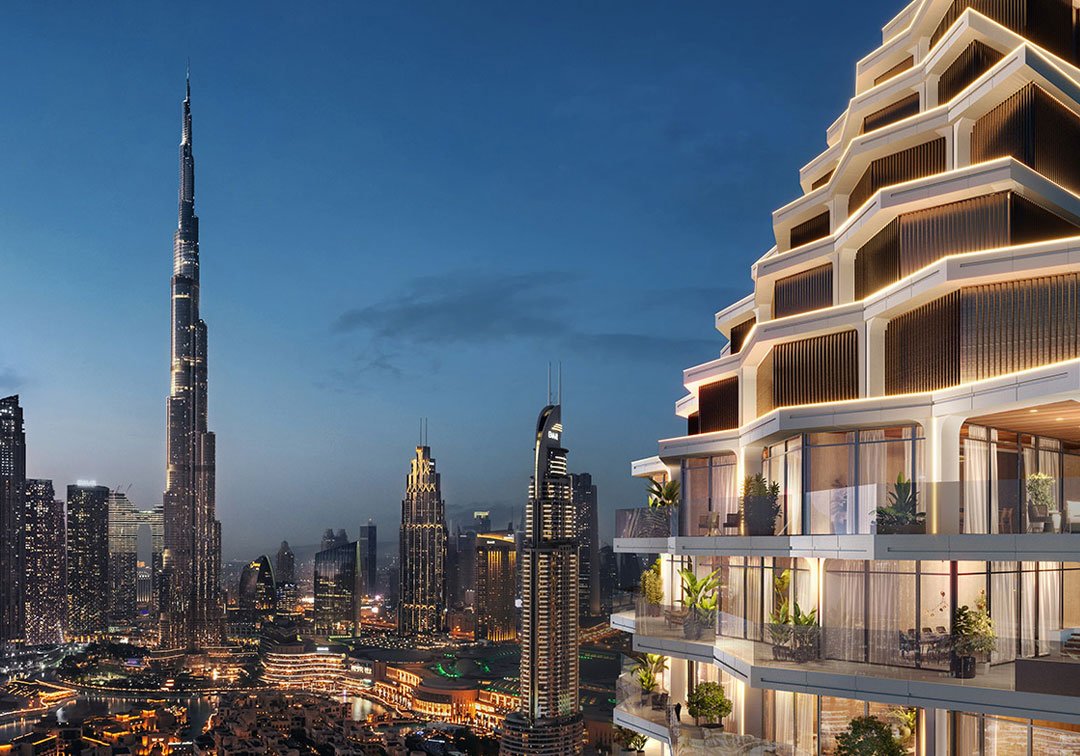
Luxury waterfront properties, branded residences and trophy homes continue to attract strong demand, partly because purchase motivations often extend beyond pure investment returns.
“In the luxury segment, buyers are committing very serious capital,” Khudykovska said. “The strategy is completely different. Decisions are based on long-term wealth preservation, lifestyle considerations, risk analysis and legacy planning.”
Brokerage model changing
Despite softer sentiment, Dubai’s long-term fundamentals remain strong, brokers argue, supported by population growth, international wealth migration and the city’s continued appeal to high-net-worth individuals.
What is changing, however, is the type of brokerage model succeeding in the market.
“Bull markets reward visibility and more selective markets reward competence,” Truffaut said.
As competition intensifies, many volume-driven brokerages are struggling to adapt to a market where buyers are taking longer to commit and increasingly demanding detailed analysis, negotiation strategy and long-term investment logic.
“The easy phase is fading and the market is becoming more intelligent, more segmented and considerably more relationship-driven,” Truffaut said.
Khudykovska believes the adjustment will ultimately strengthen Dubai’s real estate market.
“In the long term, this slowdown will help the market recover, reduce inflationary pressures and reinforce Dubai’s global positioning,” she said.
“Future price growth will increasingly be driven by value, quality, trust and strategy rather than speculation alone.”