Abu Dhabi AI startup uses autonomous drones to plant 10 million mangrove seeds
Nabat says its AI-powered technology can survey 800 hectares daily in Abu Dhabi, as the company expands its environmental restoration operations internationally.
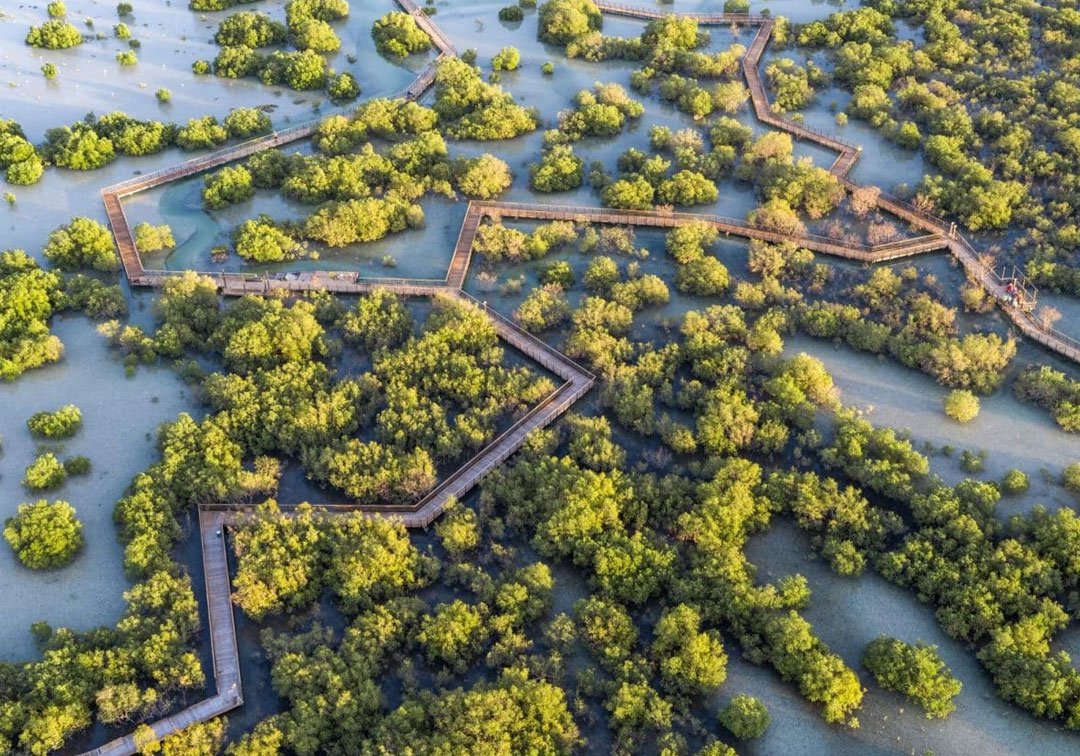
Abu Dhabi-based environmental technology company Nabat is using artificial intelligence (AI) and autonomous drones to reduce mangrove restoration costs by three to five times compared with conventional methods, while significantly increasing the scale of environmental monitoring and restoration.
The company, which works with the Environment Agency – Abu Dhabi (EAD), said a single team can survey approximately 800 hectares of land daily using high-resolution drone imagery, while autonomous drones can disperse mangrove seeds across 50 to 60 hectares per day.
To put that into perspective, a single team can survey an area equivalent to more than 1,100 football pitches in one day, while autonomous drones can disperse mangrove seeds across an area the size of roughly 70 to 84 football pitches daily.
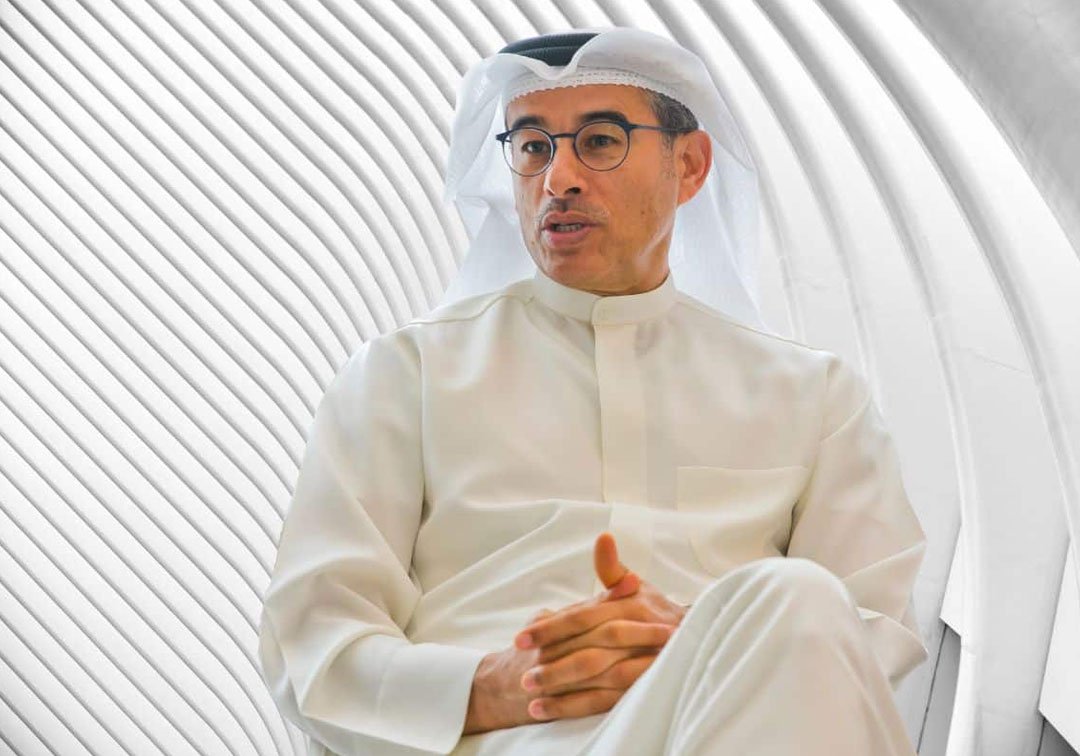
Speaking to Arabian Business, Mehdi Ajana, Vice President of Strategy at Nabat, said the technology is addressing longstanding challenges in environmental restoration, particularly identifying suitable planting locations and monitoring whether restoration efforts are successful.
“We have sophisticated systems to manage our cities, infrastructure and businesses, but very limited tools to understand and manage nature,” Ajana said.
“Take mangroves. We know they protect coastlines, support biodiversity and store carbon. Yet we struggle to answer basic questions: Where are they? How healthy are they? Where should we intervene? Is restoration actually working?”
Nabat began addressing these challenges three years ago through its work with EAD, combining drone imagery, satellite data and AI models to assess environmental conditions.
Ajana said traditional field surveys often rely on sampling limited areas and extrapolating findings across larger sites, whereas AI allows teams to analyse entire restoration locations in greater detail.
“With drones and AI, one team can survey around 800 hectares a day with high-resolution imagery. At the finest resolution, down to the millimetre, our AI can detect tiny mangrove seedlings across an entire site, not just where a team happened to walk,” he said.
Ten million mangrove seeds deployed in 2026
Nabat said it has deployed 10 million mangrove seeds in partnership with EAD this year, contributing to the UAE’s broader ambition to plant 100 million mangroves by 2030.
However, Ajana emphasised that the number of seeds planted should not be confused with the number of trees successfully established.
“This year, we’ve deployed 10 million mangrove seeds with EAD. It’s a major operational milestone, but it doesn’t mean we’ve created 10 million trees. What matters is what happens afterwards,” he said.
According to Ajana, mangrove establishment rates of approximately 40 to 50 percent have been observed in the UAE when restoration sites are selected using scientific criteria, including soil conditions, elevation and tidal exposure.
Nabat monitors seed establishment, seedling survival, vegetation cover, density and biomass to assess restoration progress.
The company has also developed an AI-powered restoration site suitability model covering the GCC coastline, designed to help environmental project developers identify areas where mangrove planting is more likely to succeed.
Ajana said the technology can also identify locations where natural regeneration is already taking place, potentially reducing the need for additional planting.
“Our analysis also detects areas where natural regeneration is already under way. In those places, the right answer may be to reduce the pressures and let nature recover. Planting is not a must,” he said.
Can AI deliver measurable environmental benefits?
Despite the operational advantages, Ajana acknowledged that the environmental impact of AI itself must be considered when assessing the overall benefits of restoration technologies.
“Using AI for an environmental purpose doesn’t automatically make it environmentally beneficial,” he said.
“The first question is whether it improves our decisions and results. We look at the resources needed to do the work and the ecological results that follow. Where possible, we compare restored areas with control areas to understand what changed because of our intervention.”
Nabat accounts for computing, imagery and field operations when evaluating the environmental footprint of its technology, although the company has not yet completed a quantified net-impact assessment.
Ajana said the effectiveness of restoration must ultimately be measured through long-term ecological outcomes rather than planting figures alone.
“Restoring an ecosystem takes years. Early establishment is encouraging, but it’s not the same as a mature, functioning ecosystem. I’d much rather report how many trees survived and are thriving than how many we planted,” he said.
Credits & Disclaimer: This article are credited to the Associated Press, it's authors and editors. Likewise, the images are for illustration purposes only and credited all to their respective owners. The accuracy of the article is subject from the information grabbed from the sources at the time of posting this article.